Why the Authentic Human Voice Still Matters
Why the Authentic Human Voice Still Matters
The rise of AI-generated voices has been one of the most fascinating creative shifts of the last few years. Today, there are AI voiceovers that sound impressively human-like—warm, clear, and almost indistinguishable from a real person at first listen. And that’s a good thing. Technology should grow. Creativity should evolve. We’re not here to pit one against the other or paint AI as the enemy.
But sounding human-like is not the same as being human.
Where AI Voice Works—and Where the Ear Notices
AI voice has earned its place. It’s efficient, fast, consistent, and useful across many applications—from prototyping dialogue to generating quick demos to powering automated systems.
But when it comes to storytelling, performance, and emotion—the human ear tends to notice.
Recently, we’ve seen an increase in C-dramas and K-dramas dubbed with AI voices. While the technology is impressive, the results often sound slightly robotic, detached, or emotionally mismatched from the original actor’s performance. The cadence, the breath, the micro-pauses that carry emotional weight—these often don’t translate.
Drama is carried by feeling, and feeling is still something the human voice understands best.
The Value of the Authentic Human Voice
A human voice is not simply sound—it’s experience translated into tone. It’s breath shaped by intention. It’s emotion that bends the vowels, softens the consonants, and warms the silence between phrases.
A human voice carries things AI still can’t quite replicate. There’s nuance—the slight tightening in someone’s tone when they’re holding back tears. There’s texture—the light rasp that appears after a genuine laugh. There are the natural imperfections, those tiny fluctuations that make a performance believable and alive. Humans also communicate in subtext, the ability to say one thing but mean another, letting emotion live between the lines. And then there’s cultural intuition—the instinctive understanding of when to soften, emphasize, pause, or hold back. All of these elements shape a voice that feels lived-in, intentional, and unmistakably human.
These aren’t just technical elements. They’re human instincts. And humans instinctively respond to other humans.
Room Eleven’s Voice Community: A Resource Built on Real Talent
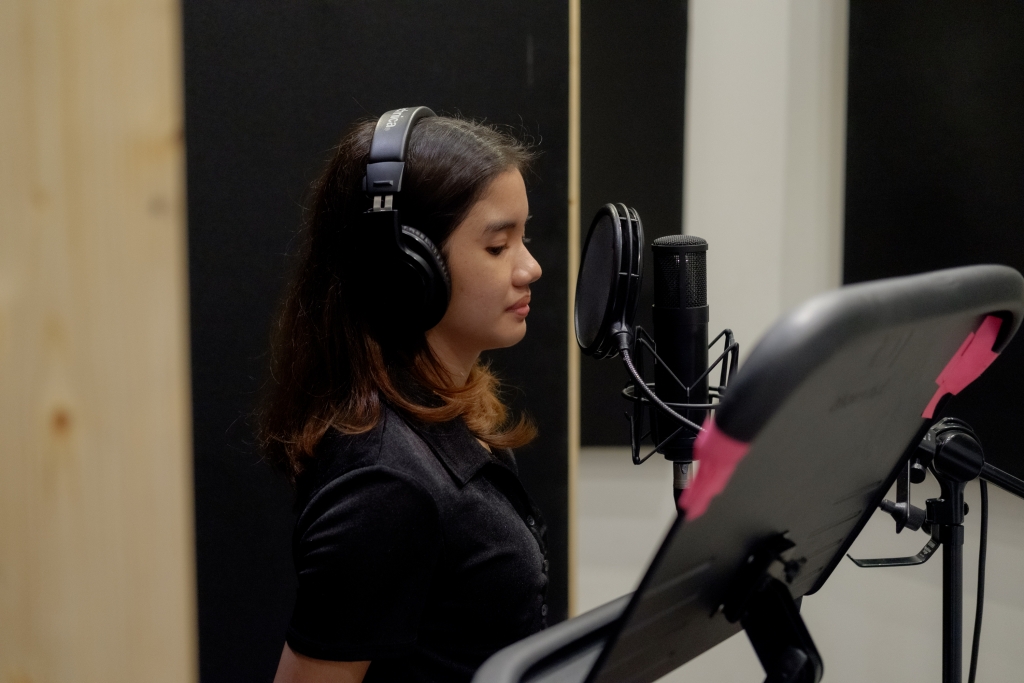
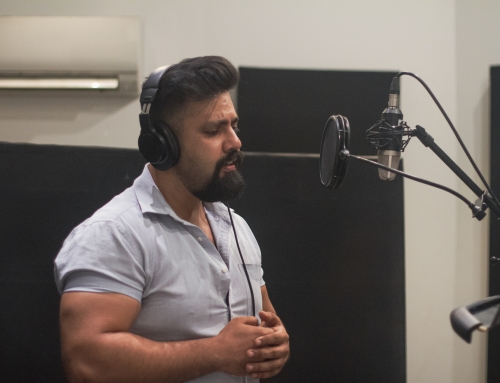
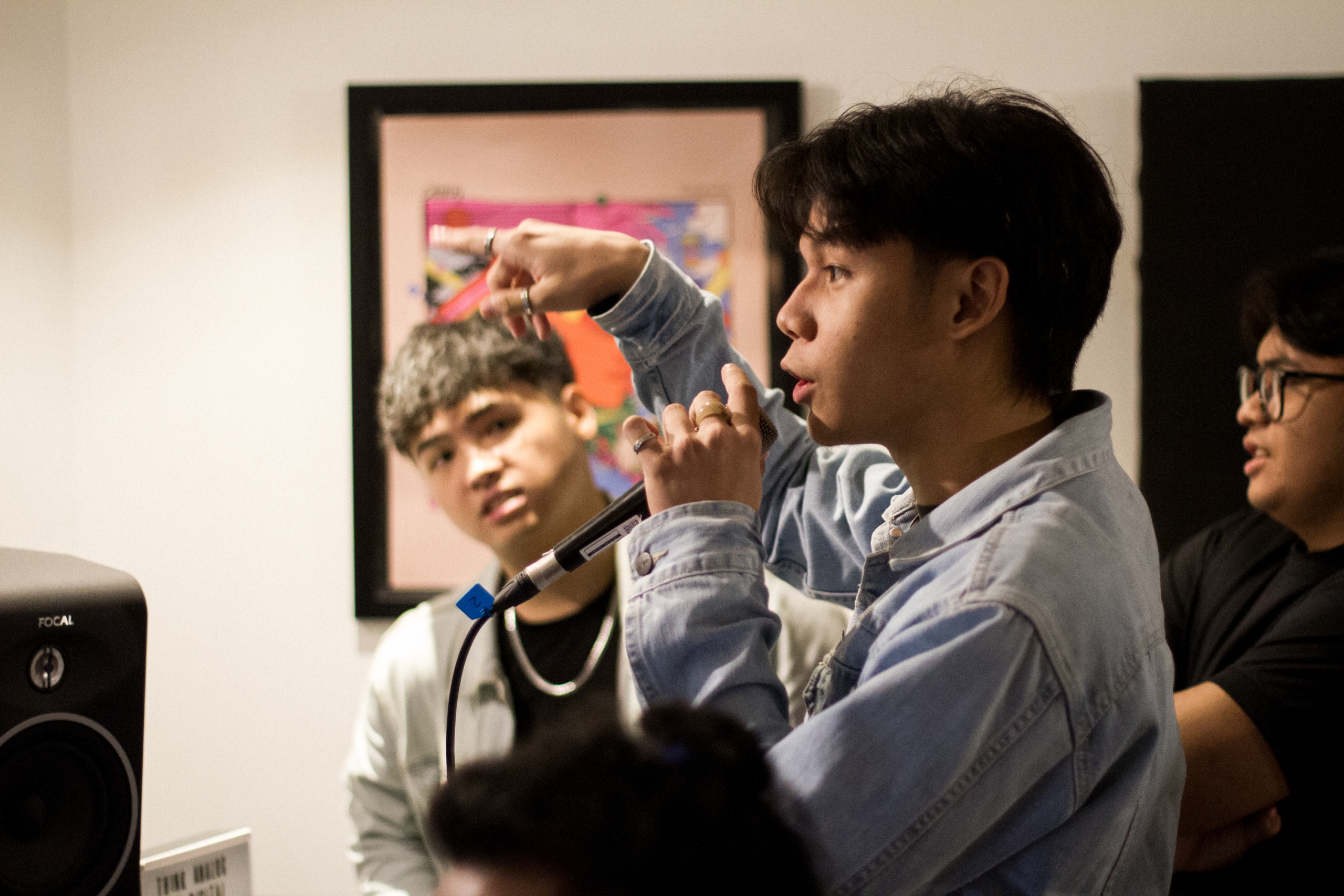
At Room Eleven, we’ve spent the last 2 years building and nurturing a community of voice actors, narrators, and storytellers—each with their own personality and performance style. This isn’t just a roster; it’s a living ecosystem of talent shaped by training, collaboration, culture, and lived experience.
Over time, we’ve curated a comprehensive voice library: real voices with real textures, real emotions, and real versatility. Whether you’re working on animation, commercial VO, explainer content, podcast narration, or multilingual dubbing, the voices you’ll hear in our library are shaped by authenticity and craft.
There’s something powerful about working with talent who can breathe life into a script—not simply read it.
Neutral English: Our Cebuano Advantage
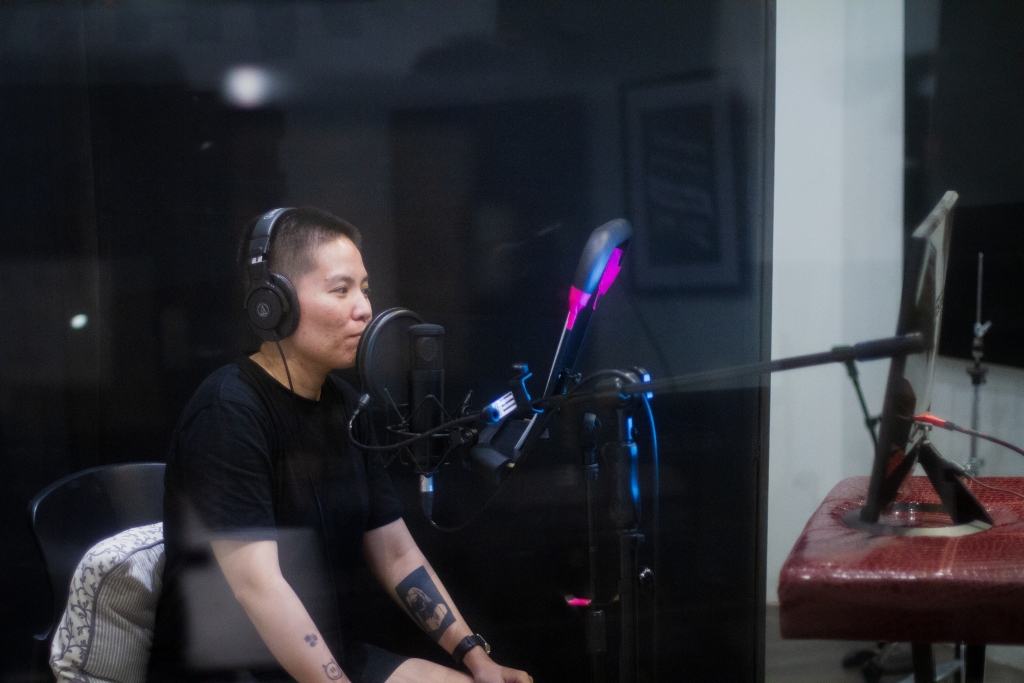
For international-facing content, particularly in dubbing, Neutral English has become essential. It ensures that emotion and meaning travel smoothly across borders without accent or cultural barriers distracting from the performance.
One thing we are especially proud of:
Cebuanos have developed a uniquely strong command of Neutral English. It’s a distinct advantage in the voice industry—and one we’ve embraced. Many of the voices in our community deliver Neutral English with clarity, balance, and emotional accuracy, making them ideal for global content.
Neutral English done well is not just pronunciation; it’s intention, rhythm, and authenticity.
AI Is Here to Stay—But So Are We
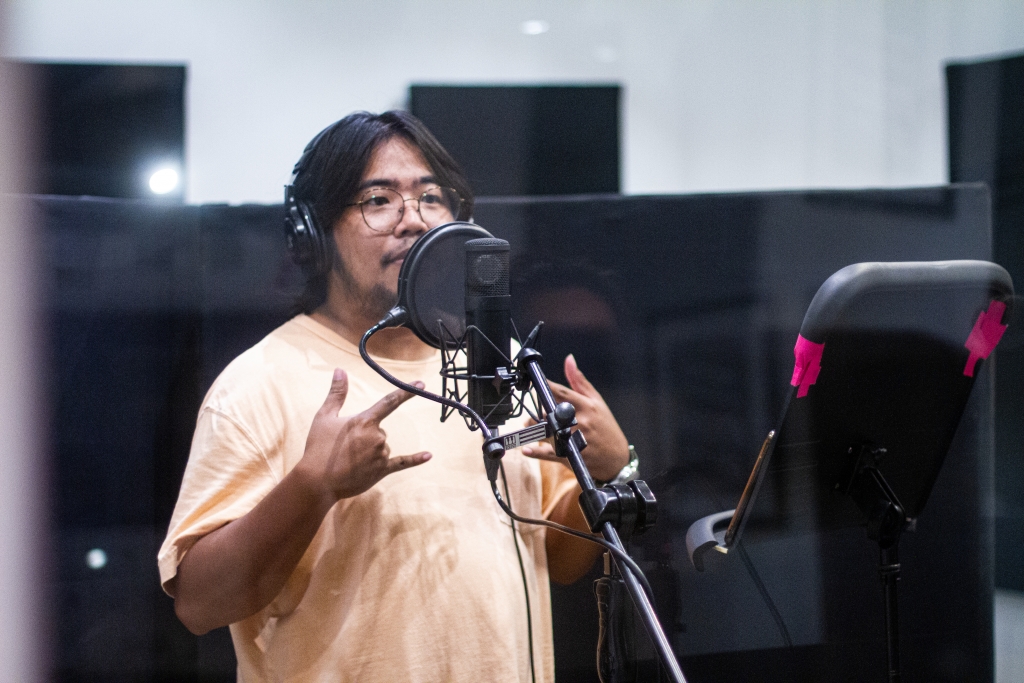
We can’t stop AI. And honestly, we shouldn’t try. It’s a tool, and like all tools, it has its place. We’re learning to live with it, adapt with it, and even collaborate with it.
But in a world moving faster and more automated than ever, we believe there will always be creators and producers who reach—for a human voice. For the warmth and nuance. For the truth in a performance that can only come from someone who has lived, felt, and breathed a story.
AI can imitate humanity. But the human voice embodies it.
And here at Room Eleven, that authenticity will always matter.