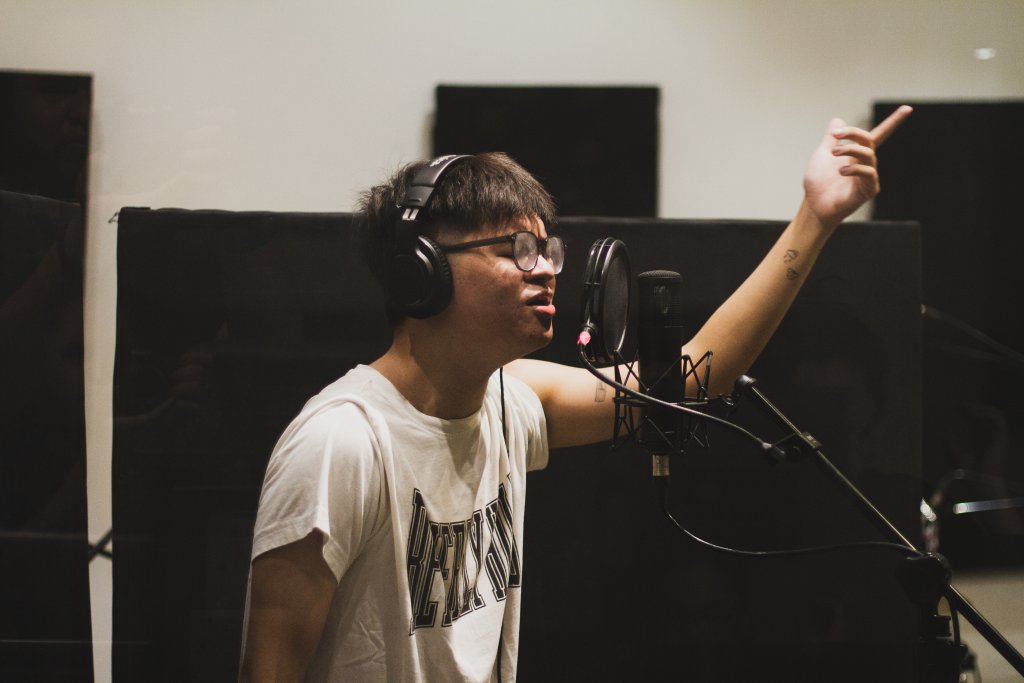
In modern music culture, especially with pop and streaming platforms, the speed of virality blurs the line between who creates and who performs.
And because music is so collaborative, audiences often fail to distinguish between those who make the music and those who present it. This fine line often blurs into confusion, which can ultimately influence how we value creativity.
People credit the person they see, not the people who built the sound.
We only see the final product: the music video, the album art, the performance clip. The person singing, naturally becomes the face of the entire project. It’s the performer who gets the spotlight, the interviews, the applause.
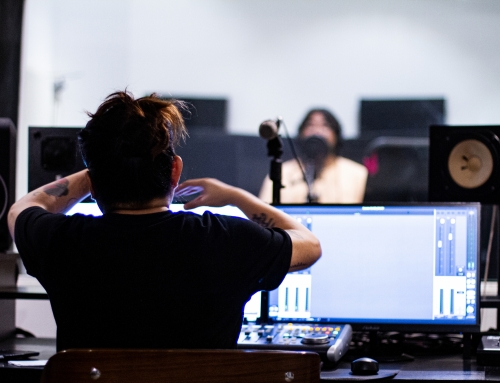
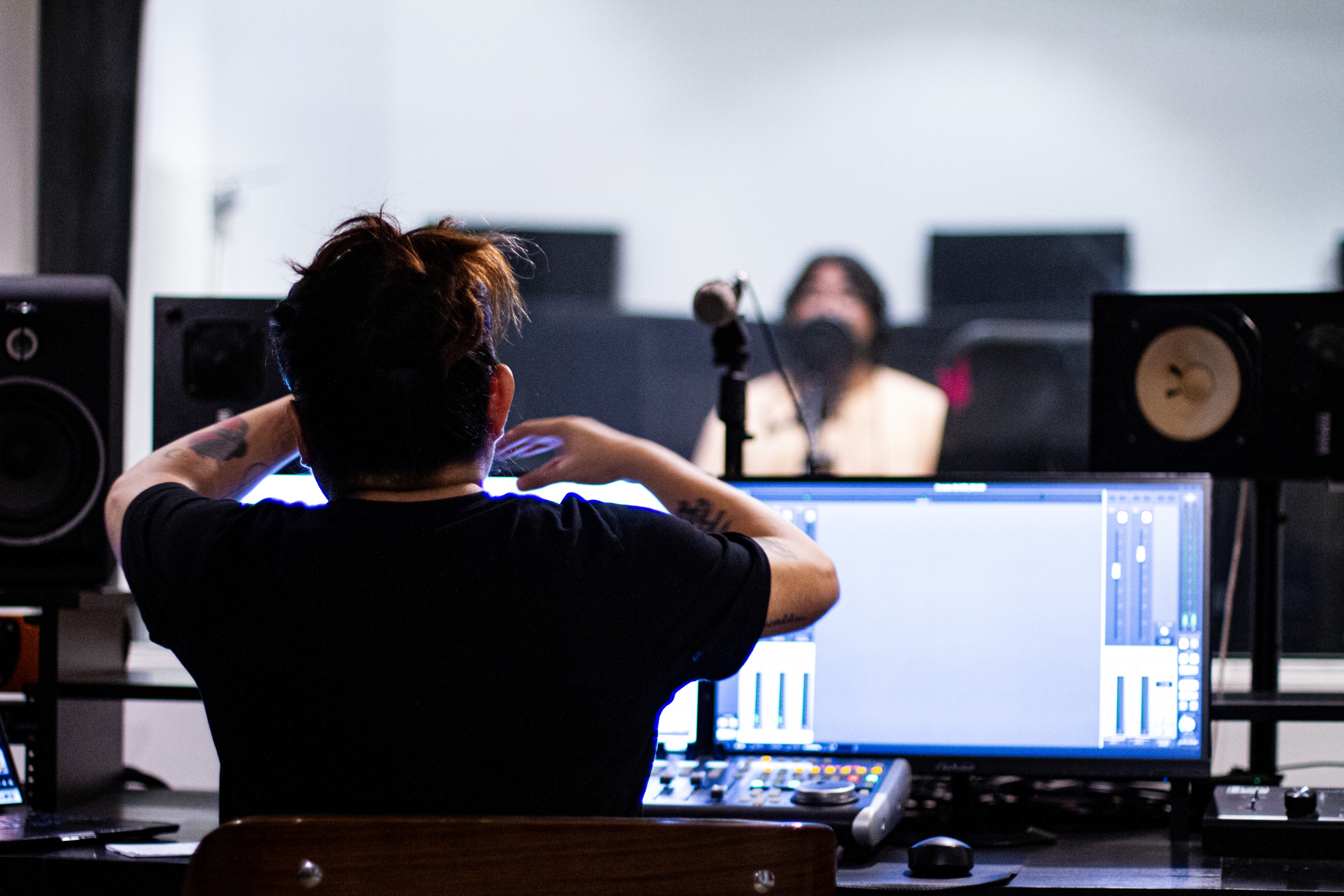
Meanwhile, the producers, songwriters, engineers, arrangers, the ones who build the skeleton, fill in the body, and polish the skin of the song often stay behind closed studio doors.
Audiences now are more likely to associate visibility with authorship.
Because naturally the human mind often connects who we see with what we hear, so audiences would most likely assume the performer is the creator.
When a singer blows up, it’s easy to imagine them doing all the work from writing the song the taking over the creative direction of the album.
Reality is, they’re only doing a quarter of the work.
Creators are architects. They design the sound, craft the lyrics, choose the textures, shape the sonic identity of the track.
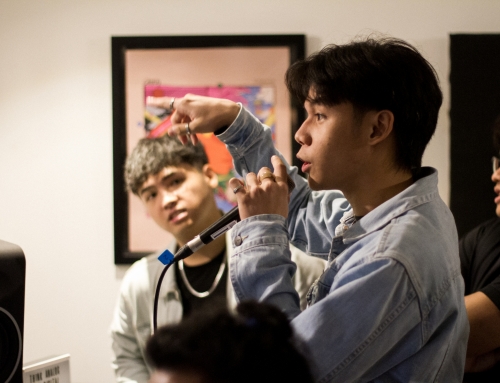
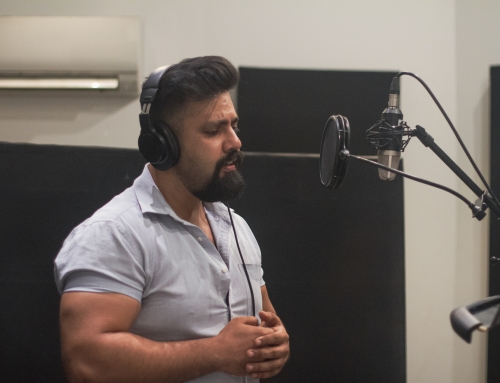
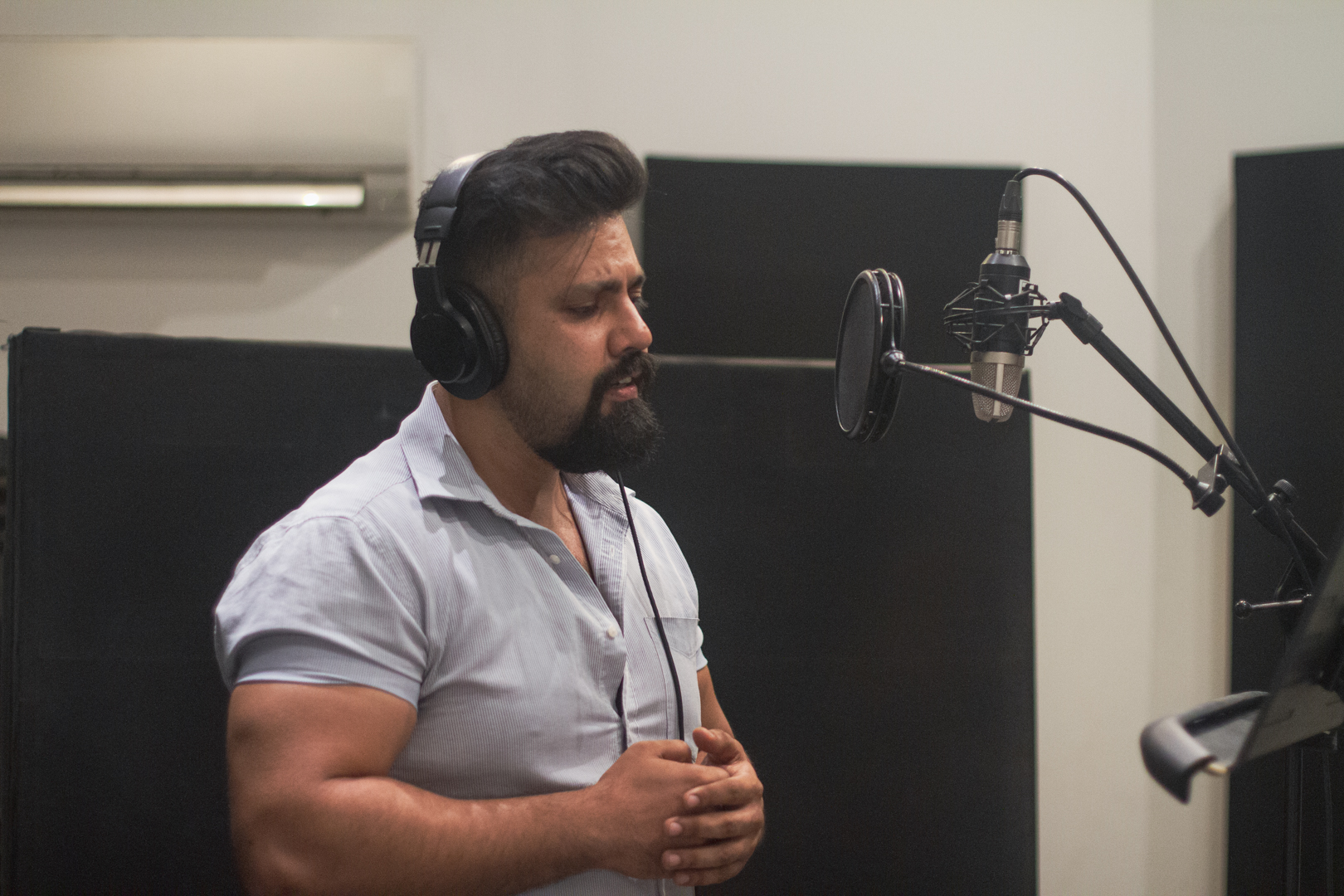
Performers are interpreters. They bring the emotion, set dynamics, and define the personality, personifying the creator’s blueprint into something people can feel.
One role isn’t above the other, music only works because both exist.
And collaboration remains to be one of the key factors in succeeding the industry.
Nowadays the music industry is marketing faces, not processes.
From record labels to TikTok trends, the star system is built on visibility. It’s easier to push a charismatic face than the complicated, messy creative process behind a song. Fans follow people, not Pro Tools sessions.
We have been conditioned to equate the performer with the song.
Think about it: people say “Beyonce’s single” or “Kendrick’s track” even when those songs involve an entire production team. It’s a cultural shortcut, one that simplifies the story of how music is made.
It’s easier to sell a persona than a creative collective.
A single image is easier to market than a dozen collaborators. But the irony is that in today’s music landscape especially in hip-hop, pop, and electronic genres production defines genre identity more than ever.
Producers shape signatures. Songwriters define themes. Engineers sculpt the atmosphere.
Yet the credit rarely follows.
This misunderstanding persists because people connect with persona, even when the sound telling the story was built by someone else.
So how do we bridge the gap between who makes the music and who performs it?
If we want people to appreciate the full creative ecosystem behind music, we start by reshaping how we talk about it.
Normalize collaboration as part of artistry
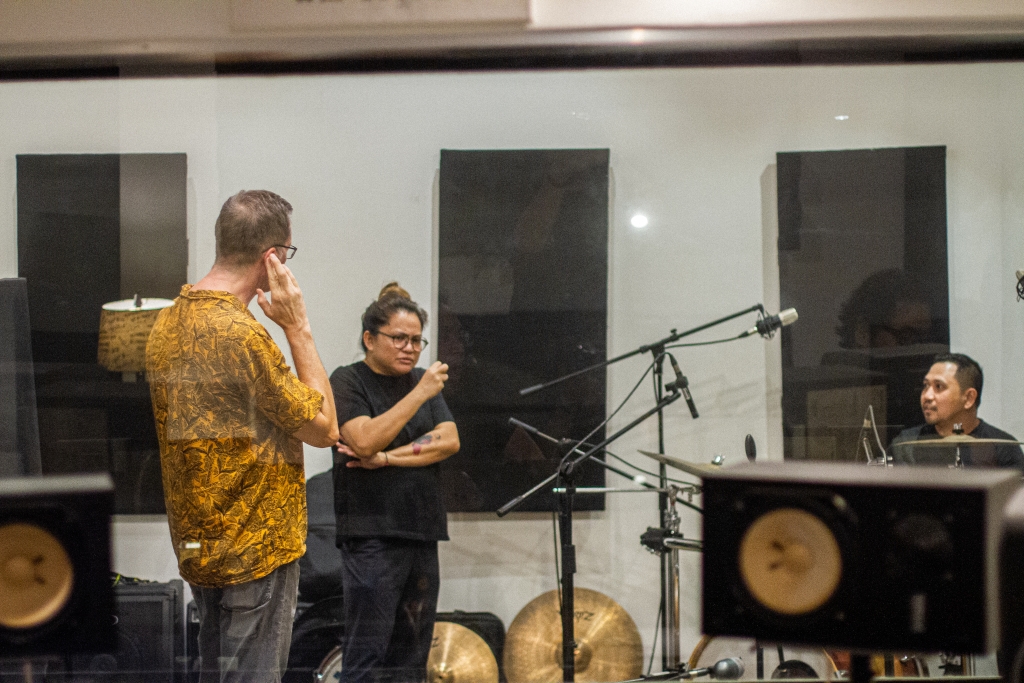
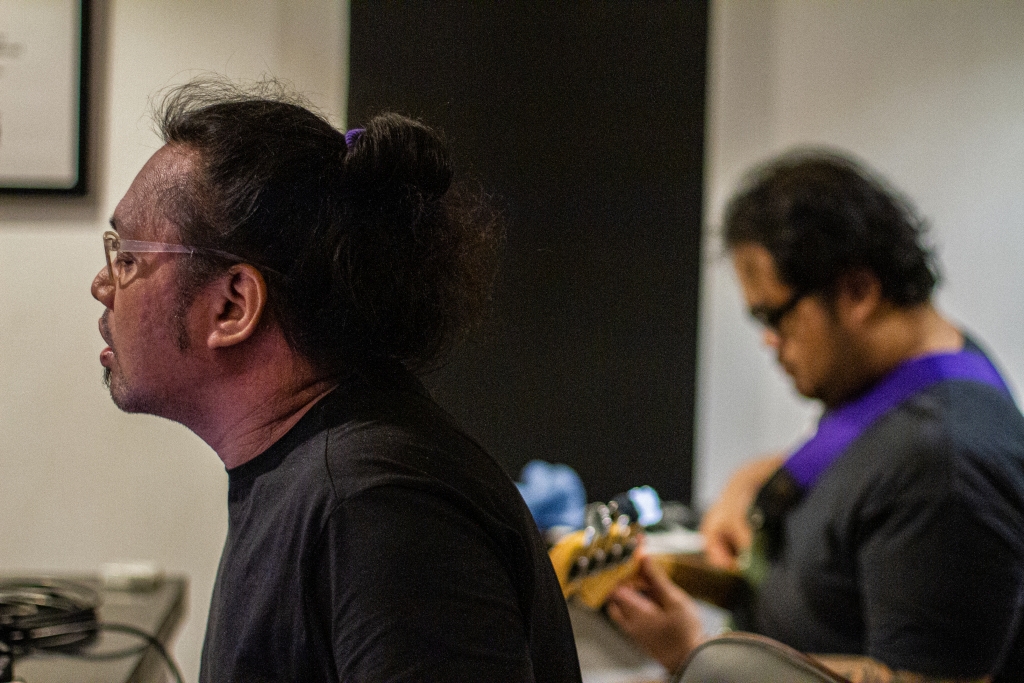
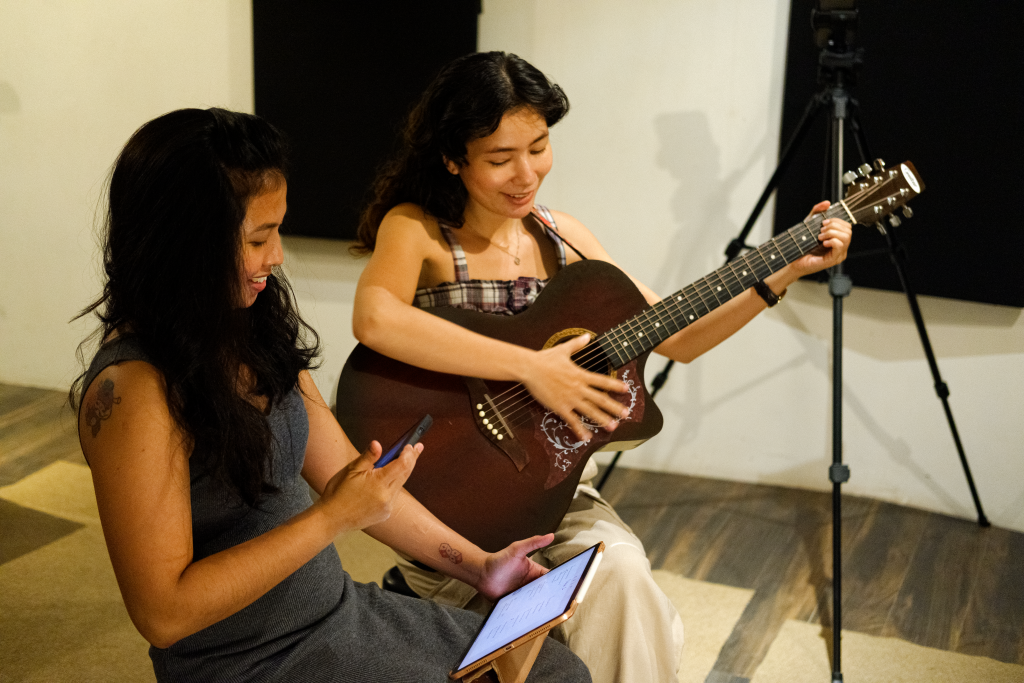
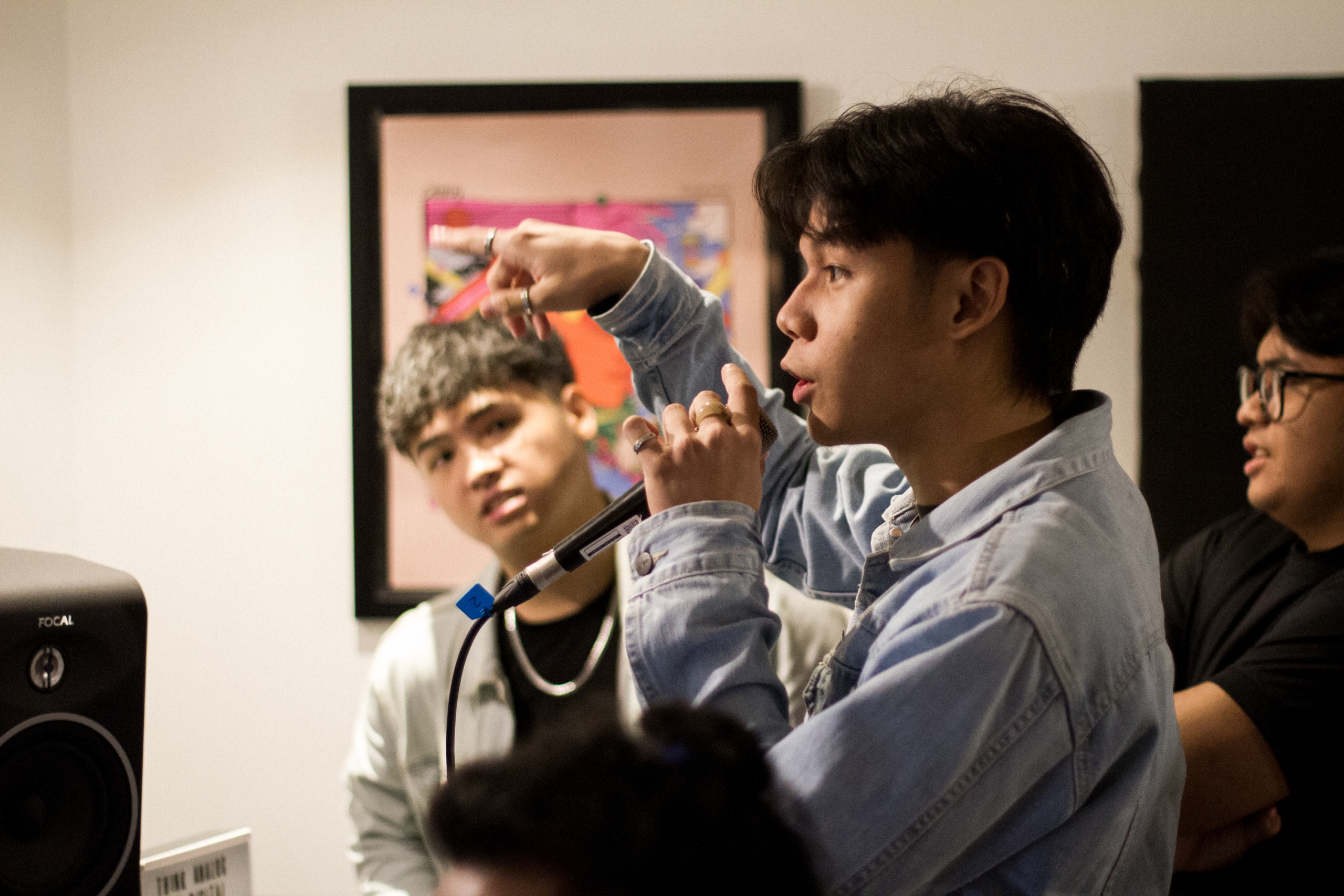
Music has never been a solo sport. Even artists marketed as “self-made” rely on creative teams who sharpen, translate, and elevate their vision. Transparency shouldn’t be niche, it should be standard.
Highlight creators in interviews and social media
Producers, songwriters, and engineers deserve just as much conversation as performers. When artists openly talk about their collaborators, it shifts the culture from “I made this” to “We built this.”
Music is a shared act of creation, not a solo performance. Behind every vocal take, every glossy hook, every unforgettable beat, there’s a team writing, shaping, polishing, imagining.
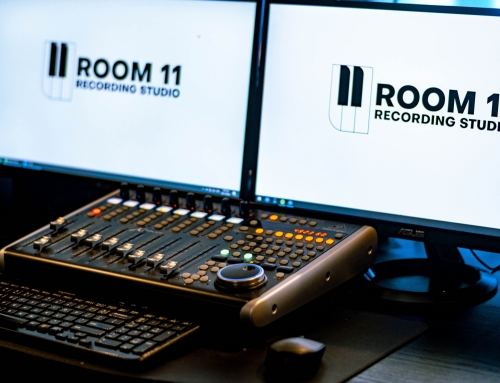
Here at Room Eleven Studios, we believe in collaboration, in creativity, and in giving space to every person behind the music.
Because when we understand the roles that build a song, we learn to appreciate music, not just as entertainment, but as a craft.
Once we recognize every role, we appreciate the work that goes in on a deeper level.