Back in the day, in the events and entertainment scene, we had something called an ex- deal. It was simple: you exchange goods or services, no money involved. And for what it was, ex-deals served a purpose — especially for newcomers trying to get their foot in the door. It was a way to start relationships, gain traction, get something moving.
But like many outdated industry practices, ex-deals didn’t really disappear. They just put on a new outfit and started calling themselves a “collab.” And unfortunately, the problems underneath stayed exactly the same.

Our Early Experience at Room Eleven
When we opened Room Eleven, we tried ex-deals too. It made sense at the time — we were new, we were building a name, and we needed people to walk through the door. But it didn’t take long to realize the flaw: the value offered in return had no guarantee and no real revenue behind it.
People got discounted or free services, and in exchange we received something that couldn’t sustain the studio, pay the bills, or move the business forward. After a few months, we phased out the practice entirely. It simply wasn’t good business.
The Evolution of the Ex-Deal: Enter the Word “Collab”
Fast forward to today and the ex-deal has evolved — or at least, it thinks it has. The new buzzword?
“Collab.” Among younger creatives, especially between artists and home producers or beatmakers (who don’t have overhead), “collab” is often thrown around casually. The intention may be positive, but the understanding of what collaboration actually means isn’t always there.
Then there’s the version that reaches real studios — full of vague promises and absolutely no clarity on how both parties benefit. Sometimes it’s even presented as an opportunity, as if we should be grateful to offer free work in exchange for… what exactly? A post? A tag? An account with no audience yet?
It’s the same ex-deal, just dressed in trendier language.

The Problems With Modern “Collab” Proposals
Here’s the truth most people don’t want to hear: A lot of these “collabs” are not collaborations.
They’re one-sided requests for free labor. And they come with the same set of issues:
– The value exchange is rarely equal.
– “Exposure” is not a form of payment.
– Promises are often vague or never materialize.
– It undermines the work of your business and your team.
– It reinforces a culture of undervaluing creative labor.
– And it tends to attract clients who don’t respect the craft or the industry.
When someone offers a “collab” but cannot articulate the benefit — or worse, assumes exposure is enough — it reveals a fundamental disconnect from the realities of running a creative business.
The Economics People Forget

A real studio isn’t just a room with a microphone. It’s rent, equipment, engineers, utilities, maintenance, staff hours, training, and marketing — actual costs that need actual revenue to sustain. So, when someone offers “promotion” in exchange for production or recording time, it
clashes with very real economics.
Likes don’t pay salaries.
Tags don’t pay rent.
Exposure doesn’t keep the lights on.
Businesses pay for marketing because it works. They don’t gamble their operations on
vague promises.
What Real Collaboration Looks Like
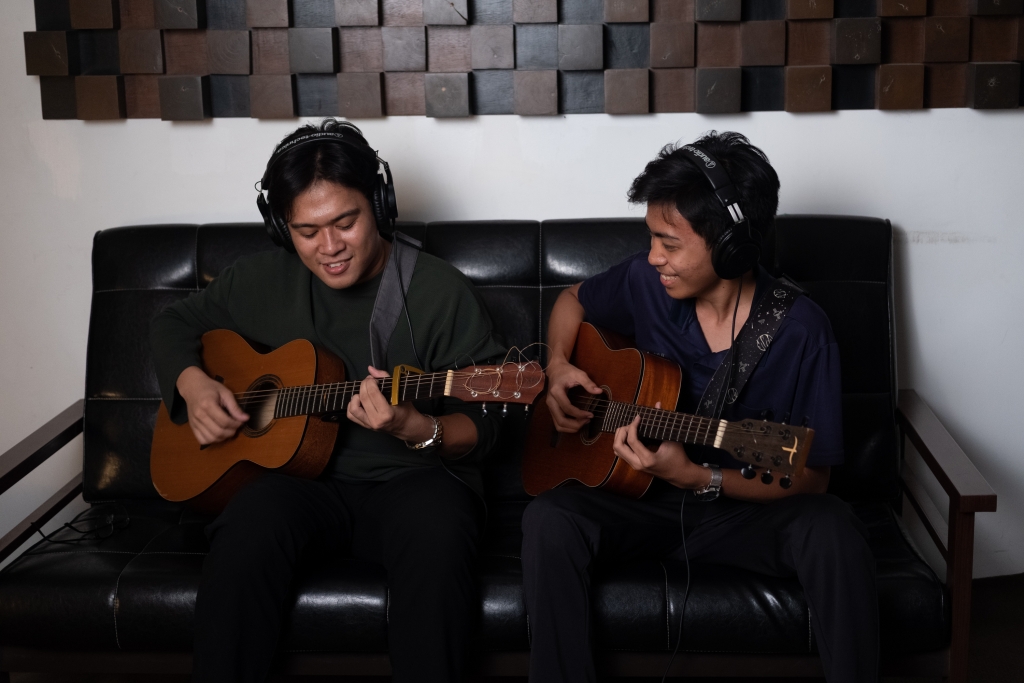
A real collaboration is a partnership — not a favor. It has:
– Clear roles
– Defined contributions
– Mutual benefit
– Aligned goals
– Tangible outcomes
Both sides know exactly what they’re giving and exactly what they’re receiving. No
assumptions. No wishful thinking. No hoping the other side will “come through.” It’s
respectful, intentional, and rooted in shared value.
That’s what a collaboration is supposed to be.
Retiring the Ex-Deal Mindset

The creative industry moves forward when we set healthier standards — when we value our time, our skills, and our businesses. Saying no to exploitative “collabs” isn’t being rude; it’s being responsible. And saying yes to real, intentional collaborations isn’t just good practice — it builds a better ecosystem for all of us.
So let’s call things what they are. Let’s reserve “collaboration” for arrangements that genuinely uplift both sides. Everything else? We’ve outgrown that.